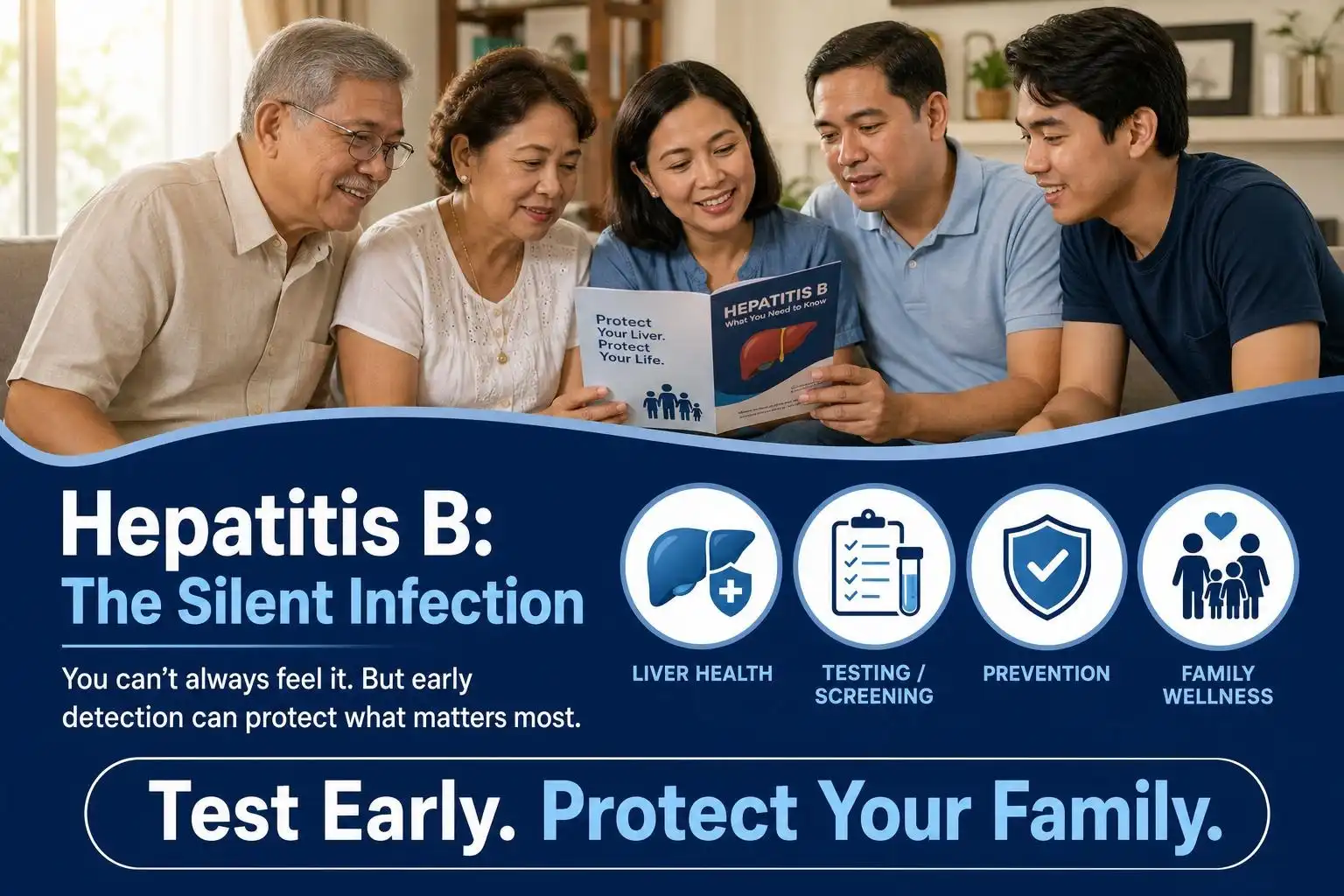
Hepatitis B is one of those health conditions that many people have heard of, but not enough people truly understand.
That matters because hepatitis B can be silent for years. A person may feel completely healthy and still have chronic hepatitis B. Without testing, many people do not know they have it until liver damage has already started.
At Long Life Med, we believe education is part of good healthcare. Patients deserve to understand what hepatitis B is, who should be tested, why it matters, and why this condition should not carry shame or stigma.
What Is Hepatitis B?
Hepatitis means inflammation of the liver.
Hepatitis B is a liver infection caused by the hepatitis B virus. Some people get a short-term infection and recover. Others develop chronic hepatitis B, meaning the virus stays in the body long-term.
Chronic hepatitis B can increase the risk of serious liver problems over time, including liver scarring, cirrhosis, liver failure, and liver cancer.
The difficult part is that many people with chronic hepatitis B do not feel sick for years.
That is why testing matters.
Hepatitis B Can Be Silent
One of the biggest misunderstandings about hepatitis B is the idea that someone would automatically know if they had it.
Many people do not.
A person may have normal energy, no pain, no obvious symptoms, and still have chronic hepatitis B. They may go years without knowing.
When symptoms do occur, they can be vague and easy to miss, such as:
- Fatigue
- Poor appetite
- Nausea
- Abdominal discomfort
- Dark urine
- Yellowing of the skin or eyes
- Joint pain
- Feeling generally unwell
But many people have no symptoms at all.
That is why hepatitis B should not be ignored just because someone feels fine.

Who Should Be Tested?
Current CDC guidance recommends that all adults age 18 and older be screened for hepatitis B at least once in their lifetime.
Testing is also especially important for people who may have a higher chance of exposure or chronic infection, including:
- People born in countries where hepatitis B is more common
- People with parents from countries where hepatitis B is more common
- People with a household member or sexual partner with hepatitis B
- People with a history of injection drug use
- People with HIV or hepatitis C
- People on dialysis
- People with elevated liver enzymes
- Pregnant patients
- People who were never vaccinated or are unsure of their vaccine status
For many Asian, Pacific Islander, Southeast Asian, and Filipino families, hepatitis B awareness is especially important because hepatitis B is more common in many parts of Asia and the Pacific Islands.
This is not about blame. It is about awareness.
Many people with chronic hepatitis B were exposed at birth or during early childhood and had no control over it. In some families, multiple relatives may be affected without anyone realizing it.
Testing helps remove the guesswork.

What Test Should You Ask For?
Hepatitis B testing is done with blood work.
A complete hepatitis B screening panel often includes:
- HBsAg — checks for current hepatitis B infection
- Anti-HBs — checks for immunity or vaccine response
- Anti-HBc — checks for past or current exposure to hepatitis B
These results help determine whether someone:
- Has an active hepatitis B infection
- Had hepatitis B in the past
- Is immune from vaccination
- Is not immune and may need vaccination
- Needs additional monitoring or referral
This is why it is important to get the right testing, not just one random liver marker.
Normal liver enzymes do not always rule out hepatitis B.
Hepatitis B Is Preventable
The good news is that hepatitis B is vaccine-preventable.
For people who are not infected and not immune, vaccination can help protect against future hepatitis B infection.
This is one reason testing is so helpful. It can clarify whether someone is already protected, needs vaccination, or needs further evaluation.
Hepatitis B prevention also includes avoiding contact with infected blood and body fluids, not sharing needles, not sharing razors or toothbrushes, using safer sex practices, and making sure pregnant patients are tested so newborns can receive proper prevention at birth if needed.

Hepatitis B Should Not Carry Shame
Hepatitis B is a medical condition, not a character flaw.
It is not spread by casual contact. It is not spread by sharing food, hugging, coughing, sneezing, or being near someone.
Unfortunately, stigma prevents many people from getting tested or talking about hepatitis B with family members.
That needs to change.
The goal is not fear. The goal is awareness, testing, prevention, and appropriate care.
If someone has chronic hepatitis B, they may need regular monitoring, liver labs, viral load testing, imaging, medication evaluation, and sometimes referral to a liver specialist. Many people with hepatitis B live long lives when they are properly monitored and treated when needed.
Why This Matters at Long Life Med
At Long Life Med, we believe prevention starts with better conversations.
We care about hepatitis B awareness because we care about liver health, family health, immigrant health, Filipino health, Asian and Pacific Islander health, and whole-person care.
We also believe patients should not have to wait until something becomes serious before someone explains it clearly.
Hepatitis B can be silent.
Testing is simple.
Awareness can protect families.
And education can help remove stigma.

Key Takeaway
Hepatitis B is common, often silent, and sometimes serious — but it is also testable, preventable, and manageable.
If you have never been tested, are unsure of your vaccine status, have family roots in a country where hepatitis B is more common, or have concerns about liver health, it may be worth asking about hepatitis B screening.
Your liver matters.
Your family health matters.
And knowing your status is a powerful first step.
Long Life Med
Las Vegas & Henderson
702-359-4510
LongLifeMed.com